DST ADVERTISING (SINGAPORE) PTE LTD

Business Automation

Artificial Intelligence, Business Automation, Customer Support

AI Chatbot for Business: How Singapore SMEs Can Automate Customer Support

Singapore’s small and medium-sized enterprises (SMEs) are increasingly turning to artificial intelligence (AI) to improve efficiency, reduce operational costs, and deliver better customer experiences. One of the most practical AI solutions for businesses today is an AI chatbot for customer support.

An AI-powered chatbot can answer customer questions, provide instant assistance, collect leads, schedule appointments, and handle repetitive support requests without requiring employees to respond to every message manually.

For Singapore SMEs managing growing customer demands with limited resources, AI chatbots can provide a scalable way to automate customer support while keeping service available around the clock.
Artificial Intelligence, Business Automation, Customer Support

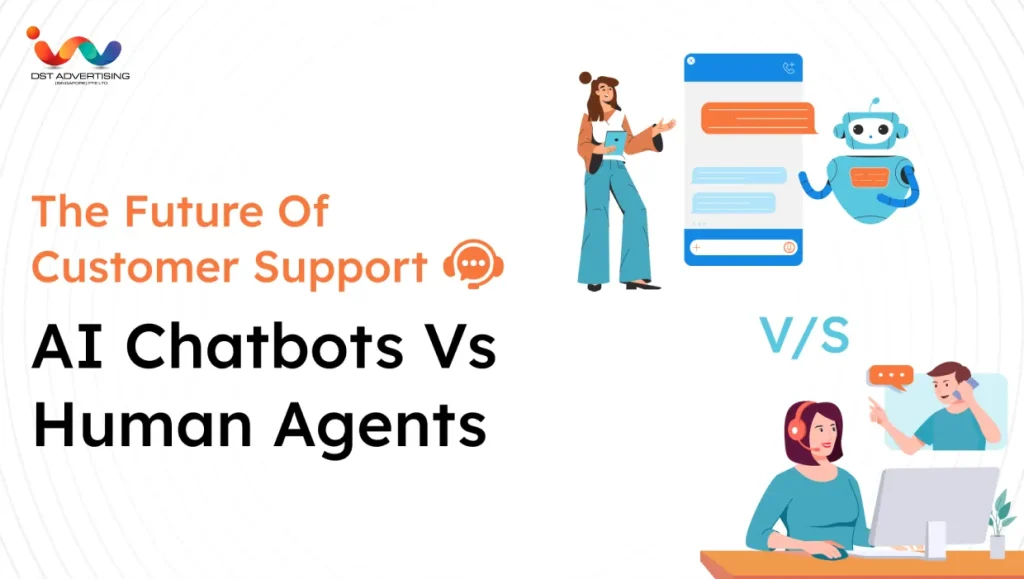
AI Chatbot vs Human Customer Service: Which Is Better for Singapore SMEs?

Customer expectations are changing rapidly. People want businesses to respond quickly, provide accurate information, and be available when they need assistance. For Singapore SMEs, meeting these expectations while controlling operational costs can be challenging.

This has led many businesses to consider AI chatbots for customer service. But does an AI chatbot provide a better experience than a human customer service representative?

The answer is not simply one or the other.

For most Singapore SMEs, the most effective approach is to combine AI chatbots with human customer service. AI can handle repetitive and straightforward enquiries, while employees can focus on complex issues, relationship building, and situations that require empathy or judgment.

Singapore’s AI adoption is growing quickly. According to IMDA, AI adoption among SMEs increased from 4.2% in 2023 to 14.5% in 2024. Customer service is also one of the most common business functions where AI is being used.

Artificial Intelligence, Business Automation, Sales & Marketing

How AI Chatbots Can Increase Sales and Lead Generation for Singapore Businesses

For Singapore businesses, attracting website visitors is only the beginning. The real challenge is turning those visitors into qualified leads and paying customers.

This is where AI chatbots for sales and lead generation can make a significant difference. Modern AI chatbots can engage website visitors, answer questions, qualify prospects, recommend products or services, collect contact details, and even help schedule sales appointments.

AI adoption among Singapore SMEs is growing rapidly. According to the Infocomm Media Development Authority (IMDA), SME AI adoption more than tripled from 4.2% in 2023 to 14.5% in 2024. IMDA also identifies customer service among the leading business functions where SMEs are applying AI.

For businesses looking to improve their digital sales strategy, an AI chatbot can transform a website from a static information platform into an interactive sales channel.

Artificial Intelligence, Business Automation, Customer Support

How to Automate WhatsApp Customer Support with an AI Chatbot

WhatsApp has become an important communication channel for businesses that want to connect with customers quickly and conveniently. For Singapore SMEs, managing a growing number of WhatsApp enquiries manually can become time-consuming, especially when customers expect immediate responses.

An AI chatbot for WhatsApp can help businesses automate repetitive customer support tasks while allowing human employees to handle complex conversations. Instead of requiring staff to answer every message manually, businesses can use AI to respond to frequently asked questions, collect customer information, recommend products or services, and escalate important conversations to a human agent.

Meta is also expanding AI-powered business tools for WhatsApp. Its current Meta Business Agent can respond to customers 24/7, answer questions, provide recommendations, gather customer information, and hand conversations over to humans when necessary.

Artificial Intelligence, Business Automation, Sales & Marketing

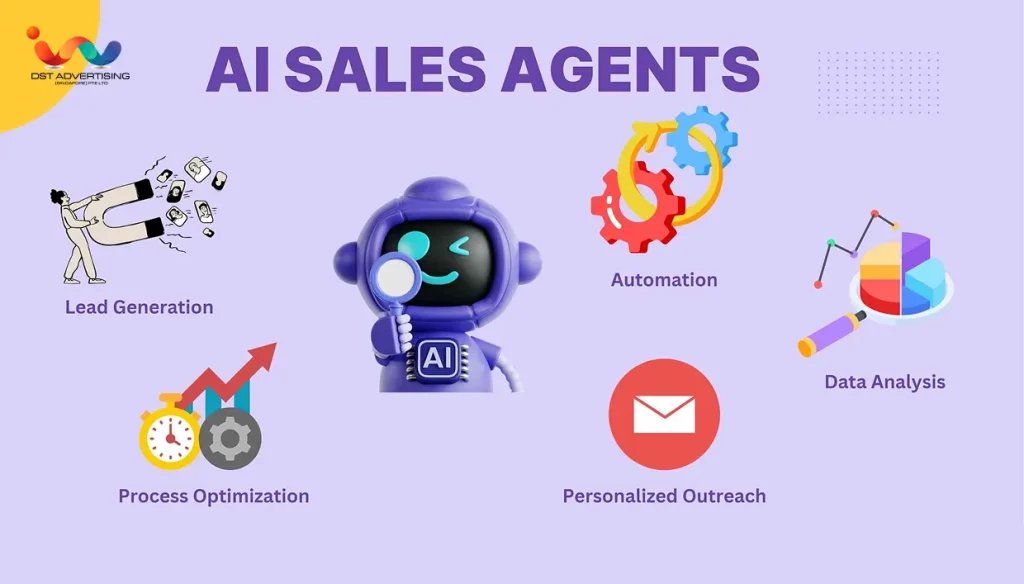
AI Sales Agents: How Businesses Can Generate and Qualify Leads 24/7

Generating leads is one of the biggest priorities for businesses that want to grow. However, traditional sales teams cannot respond to every potential customer immediately. Prospects may visit a website outside business hours, ask questions while sales representatives are unavailable, or leave before anyone has an opportunity to follow up.

AI sales agents are changing this process by allowing businesses to engage prospects, answer questions, capture information, and qualify leads 24/7.

Unlike basic chatbots that primarily answer frequently asked questions, AI sales agents can be designed to participate in sales conversations, understand customer intent, recommend relevant solutions, and move qualified prospects toward the next stage of the sales funnel.

For businesses in competitive markets such as Singapore, this can create an opportunity to improve lead response times while allowing human sales teams to focus on high-value conversations.

Artificial Intelligence, Business Automation, Customer Experience (CX)

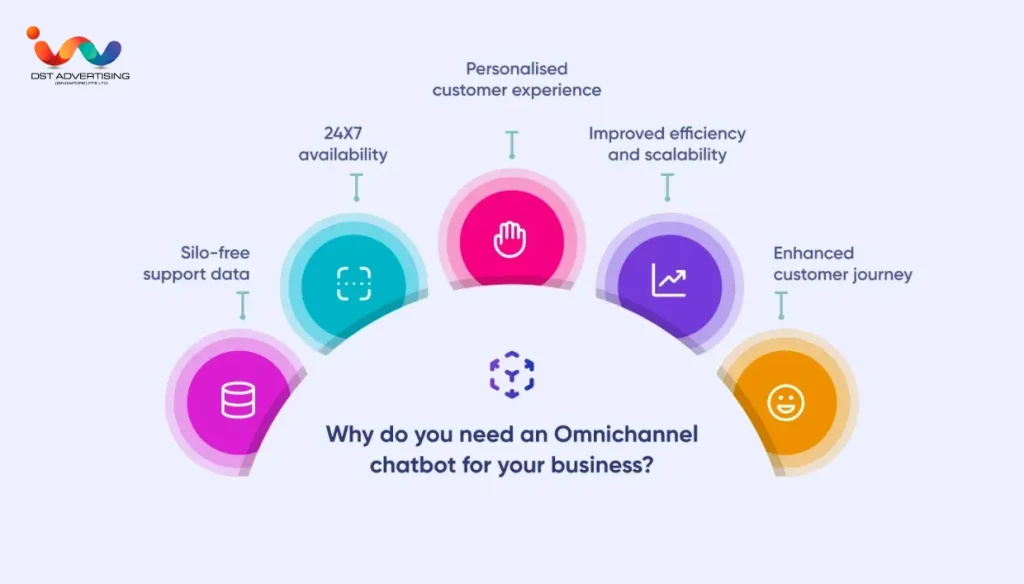
What Is an Omnichannel AI Chatbot? Benefits for Modern Businesses

Modern customers expect quick, convenient, and consistent communication with businesses. Whether they contact a company through a website, Facebook Messenger, WhatsApp, Instagram, or another digital channel, they want fast answers without having to repeat themselves.

This is where an omnichannel AI chatbot can make a major difference.

Unlike a traditional chatbot that operates on only one platform, an omnichannel AI chatbot can provide automated and connected customer support across multiple communication channels. It helps businesses deliver a smoother customer experience, improve response times, reduce support workloads, and stay available around the clock.

In this article, we will explain what an omnichannel AI chatbot is, how it works, and the key benefits it offers modern businesses.

Artificial Intelligence, Business Automation, Government Grants

PSG Grant for AI Solutions in Singapore: A Guide for SMEs

Artificial intelligence is becoming increasingly accessible to small and medium-sized enterprises (SMEs) in Singapore. From AI-powered customer service and marketing tools to automation, analytics, document processing, and sales solutions, businesses can now adopt technologies that were once available mainly to larger organisations.

One important source of support is the Productivity Solutions Grant (PSG). The grant helps eligible Singapore businesses adopt pre-approved IT solutions and equipment that improve productivity and automate business processes. As Singapore expands support for digital and AI-enabled solutions, SMEs may find more opportunities to adopt AI tools with government support.

This guide explains how the PSG works, who may be eligible, how AI solutions fit into the programme, and what SMEs should consider before applying.

Artificial Intelligence, Business Automation, Customer Support

How Much Does an AI Chatbot Cost in Singapore? Pricing, Features and ROI

AI chatbots are becoming an increasingly popular tool for businesses in Singapore. Companies are using them to automate customer support, answer frequently asked questions, qualify leads, recommend products, schedule appointments, and support sales teams.
However, one of the first questions business owners ask is:

How much does an AI chatbot cost in Singapore?

The answer depends on several factors. A simple website chatbot may cost relatively little, while a customised AI chatbot integrated with a CRM, e-commerce platform, WhatsApp, and internal business systems can require a significantly larger investment.

In this guide, we break down the main factors that affect AI chatbot pricing in Singapore, the features businesses should look for, and how to calculate the potential return on investment (ROI).

Business Automation, Digital Transformation, Workflow Management

Manual vs Digital Workflows: Which Is Better for Modern Businesses?

Every business relies on workflows to manage daily operations. From handling customer enquiries to processing invoices and approvals, workflows define how work gets done. As businesses grow, the debate between manual vs digital workflows becomes critical. Choosing the right approach can significantly impact efficiency, costs, and scalability.

Advertising & Media, Business Automation, Digital Marketing, Singapore SMEs

Why SMEs Need to Digitalize Their Processes in 2026

In 2026, small and medium-sized enterprises (SMEs) face increasing pressure to operate faster, smarter, and more efficiently. Rising costs, growing competition, and changing customer expectations mean that traditional manual workflows are no longer sustainable. Digitalising business processes is no longer optional; it’s a necessity for survival and growth.
In today’s fast moving world, customers expect fast service, automation, online accessibility, and smooth digital experiences. As a result, more companies are adopting digitisation in business to improve efficiency, reduce costs, and scale faster.
This guide explains what digitisation actually is, why it matters, and how it transforms daily operations.