How AI Chatbots Can Increase Sales and Lead Generation for Singapore Businesses
For Singapore businesses, attracting website visitors is only the beginning. The real challenge is turning those visitors into qualified leads and paying customers.
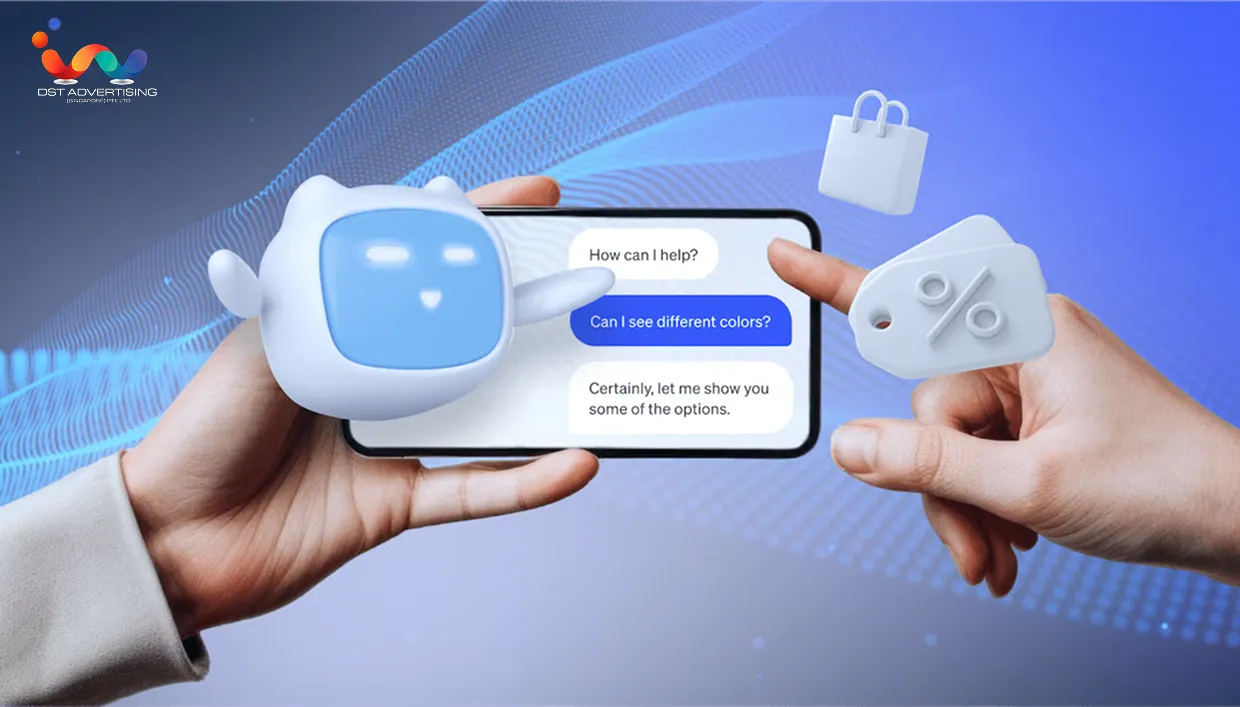
This is where AI chatbots for sales and lead generation can make a significant difference. Modern AI chatbots can engage website visitors, answer questions, qualify prospects, recommend products or services, collect contact details, and even help schedule sales appointments.
AI adoption among Singapore SMEs is growing rapidly. According to the Infocomm Media Development Authority (IMDA), SME AI adoption more than tripled from 4.2% in 2023 to 14.5% in 2024. IMDA also identifies customer service among the leading business functions where SMEs are applying AI.
For businesses looking to improve their digital sales strategy, an AI chatbot can transform a website from a static information platform into an interactive sales channel.
What Is an AI Chatbot for Sales and Lead Generation?
An AI chatbot is an artificial intelligence-powered software tool that communicates with customers and prospects through a website or other digital channels.
While traditional chatbots mainly provide predefined answers, modern AI chatbots can understand natural-language questions and respond conversationally.
For example:
Visitor: “I need SEO services for my Singapore business.”
AI Chatbot: “Sure. Are you mainly looking to improve local search rankings, generate leads through organic traffic, or grow your e-commerce sales?”
The chatbot can continue the conversation, understand the visitor’s requirements, collect relevant information, and determine whether the person is a potential sales opportunity.
This makes AI chatbots useful not only for customer support but also for lead generation, lead qualification, and sales conversion.
1. Capture Leads 24/7
One of the biggest advantages of an AI chatbot is that it can engage potential customers around the clock.
Imagine a potential customer visits your website at 11 PM. They are interested in your service but have a question before contacting your company.
Without a chatbot, they may leave and return the next day—or contact a competitor that responds faster.
An AI chatbot can immediately start a conversation and collect information such as:
- Name
- Email address
- Phone number
- Business type
- Service required
- Budget
- Project requirements
- Preferred consultation time
This gives businesses an opportunity to capture leads even outside normal operating hours.
IMDA specifically identifies lead generation and collecting information from website visitors as important chatbot use cases for SMEs.
2. Qualify Leads Automatically
Not every website visitor is ready to buy.
Some people are simply researching their options, while others may already be looking for a provider and are ready to make a decision.
An AI chatbot can ask qualifying questions to identify where a prospect is in the buying journey.
For example, a Singapore digital marketing agency could ask:
- What type of business do you operate?
- Which marketing service are you interested in?
- What is your approximate monthly budget?
- Are you currently working with an agency?
- When would you like to start?
Based on the responses, the chatbot can categorise prospects according to their potential value or sales readiness.
Sales teams can then focus their time on the most promising opportunities.
3. Respond to Prospects Instantly
Speed can have a major impact on the customer experience.
When a visitor submits a contact form, they may have to wait several hours before someone responds. During that time, they could lose interest or contact another business.
AI chatbots provide immediate responses.
For example:
Customer: “How much does your web development service cost?”
Instead of simply displaying a contact form, the chatbot can explain the available services, provide relevant pricing information where appropriate, answer follow-up questions, and encourage the prospect to schedule a consultation.
This keeps potential customers engaged while their interest is high.
4. Turn Website Visitors Into Conversations
Traditional websites are often passive.
A visitor reads a page, looks at the services, and decides whether to contact the company.
An AI chatbot introduces another layer of interaction.
Instead of waiting for visitors to find the contact page, the chatbot can invite them to start a conversation.
For example:
“Looking for the right digital marketing solution? Tell us about your business and we’ll help you find the right service.”
This can encourage visitors who are interested but uncertain to take the first step.
5. Recommend Products and Services
AI chatbots can act as virtual sales assistants by helping customers identify the products or services that best match their needs.
For example, an e-commerce chatbot might ask:
“What type of product are you looking for?”
“What is your budget?”
“Do you have any specific features or preferences?”
It can then recommend relevant options.
Service businesses can use the same approach to recommend packages, plans, consultations, or specific services.
This creates a more personalised buying experience than simply presenting visitors with a long list of options.
6. Reduce Friction in the Sales Funnel
A traditional lead-generation process may look like this:
- Visitor lands on the website.
- Visitor searches for information.
- Visitor finds the service page.
- Visitor looks for a contact form.
- Visitor enters their details.
- Business receives the enquiry.
- Salesperson follows up.
An AI chatbot can combine several of these steps into one conversation.
The visitor can ask questions, receive information, explain their requirements, provide contact details, and request a consultation without navigating through multiple pages.
Reducing friction can make it easier for interested prospects to move forward.
7. Schedule Appointments Automatically
Generating a lead is useful, but moving that lead toward a sales conversation is even more valuable.
AI chatbots can be integrated with appointment scheduling systems so prospects can request a meeting or consultation during the conversation.
For example:
“It sounds like our SEO package could be a good fit. Would you like to schedule a consultation with our team?”
This can be particularly useful for:
- Digital agencies
- Consultants
- Real estate companies
- Clinics
- Education providers
- Financial service businesses
- B2B companies
- Professional service firms
Instead of generating a lead and requiring an employee to manually arrange a meeting, automation can help move the prospect further through the funnel.
8. Recover Potential Leads Before They Leave
Many website visitors leave without submitting a form or contacting the company.
An intelligently designed chatbot can provide assistance when visitors appear to be struggling to find information.
For example:
“Still comparing your options? Tell me what you’re looking for and I’ll help you find the right solution.”
This can encourage visitors to ask questions instead of leaving the website.
The objective should not be to interrupt every visitor with pop-ups. Instead, businesses should use chatbot prompts strategically to provide useful assistance.
9. Personalise the Customer Journey
AI chatbots can collect information during conversations and use it to make subsequent interactions more relevant.
For example, a Singapore property business could ask:
- What type of property are you looking for?
- Which location interests you?
- What is your budget?
- Are you buying for personal use or investment?
The chatbot can then direct the prospect toward relevant listings or connect them with an appropriate sales representative.
Personalisation can make the buying journey feel more relevant and less generic.
10. Give Sales Teams Better Lead Information
One of the biggest advantages of chatbot-generated leads is that businesses can collect useful information before a salesperson gets involved.
For example:
Lead: Singapore e-commerce business
Service: SEO
Budget: S$2,000–S$3,000 per month
Goal: Increase organic traffic
Timeline: Wants to start next month
A salesperson can use this information to prepare for the conversation.
Instead of asking basic questions from the beginning, the sales representative can immediately discuss the prospect’s goals and potential solutions.
This can make sales conversations more efficient and personalised.
11. Increase the Value of Existing Website Traffic
Businesses often focus heavily on getting more website visitors.
However, increasing traffic is only one part of the equation.
Suppose a website receives thousands of monthly visitors but generates relatively few enquiries. Improving the conversion process can potentially create more leads without requiring the same increase in traffic.
AI chatbots can help businesses make better use of existing traffic by:
- Answering objections
- Providing instant information
- Qualifying visitors
- Recommending services
- Capturing contact details
- Encouraging consultations
This is particularly valuable for businesses already investing in SEO, Google Ads, social media marketing, and content marketing.
AI Chatbots Are Becoming More Relevant for Singapore SMEs
Singapore’s business environment is becoming increasingly AI-driven.
IMDA reported that 95.1% of Singapore SMEs had adopted at least one measured digital technology area in 2024, while AI adoption among SMEs increased to 14.5%.
IMDA has also supported AI experimentation in areas including marketing, sales, and customer engagement. Its GenAI Sandbox programmes have helped SMEs explore practical applications of generative AI.
In 2026, Singapore launched the National AI Impact Programme, which aims to support 10,000 enterprises over three years in advancing their AI adoption.
For Singapore businesses, this means AI is increasingly moving from experimentation toward practical business applications.
How Different Singapore Businesses Can Use AI Chatbots
E-Commerce Businesses
AI chatbots can help online stores:
- Recommend products
- Answer product questions
- Explain shipping policies
- Assist with product comparisons
- Capture customer enquiries
- Support purchasing decisions
Real Estate Companies
Property businesses can use chatbots to qualify buyers based on:
- Budget
- Location
- Property type
- Investment goals
- Financing requirements
Qualified prospects can then be transferred to property agents.
Digital Marketing Agencies
Marketing agencies can use chatbots to ask potential clients about:
- Business type
- Target market
- Current website
- Marketing goals
- SEO requirements
- Advertising budget
This can help agencies identify high-value prospects.
Education and Training Providers
AI chatbots can answer questions about:
- Courses
- Fees
- Schedules
- Eligibility
- Enrolment
- Training formats
They can also collect prospective student information for admissions teams.
Clinics and Professional Services
Businesses such as clinics, consultants, and professional service firms can use chatbots to answer general enquiries, provide service information, capture leads, and assist with appointment requests.
Sensitive or complex matters should still be transferred to qualified human staff.
AI Chatbot vs Traditional Lead Form
Feature | Traditional Lead Form | AI Chatbot |
Visitor interaction | Static | Conversational |
Instant answers | No | Yes |
Lead qualification | Usually manual | Can be automated |
24/7 engagement | Limited | Yes |
Personalisation | Limited | Higher |
Appointment booking | Often separate | Can be integrated |
Customer questions | Human follow-up required | Can be answered automatically |
Lead information | Usually basic | Can be more detailed |
This does not mean businesses should eliminate traditional forms. A chatbot and lead form can work together as part of a broader conversion strategy.
How to Measure AI Chatbot Lead Generation
Businesses should measure chatbot performance rather than simply installing the technology and assuming it is working.
Important metrics include:
Chatbot Engagement Rate
How many website visitors start a chatbot conversation?
Lead Capture Rate
How many conversations result in a captured lead?
Lead Qualification Rate
How many chatbot-generated leads meet the company’s sales criteria?
Appointment Booking Rate
How many prospects schedule consultations or sales calls?
Conversion Rate
How many chatbot-generated leads eventually become customers?
Revenue Generated
The most important long-term metric is whether chatbot-assisted leads contribute to actual revenue.
Tracking these metrics allows businesses to identify what is working and improve the chatbot over time.
Best Practices for Using AI Chatbots for Sales
Make the Conversation Helpful
The chatbot should focus on solving customer problems rather than aggressively pushing a sale.
Ask Relevant Questions
Only collect information that helps understand the customer’s needs or move the sales process forward.
Keep Responses Clear
Avoid overwhelming visitors with long paragraphs. Provide concise answers and give customers clear next steps.
Offer Human Support
AI should complement human sales teams, not prevent customers from reaching them.
Provide a clear human handoff when a prospect has a complex question or specifically requests a representative.
Connect the Chatbot With Your CRM
Integrating chatbot conversations with CRM and sales systems can help sales teams understand the prospect’s requirements and follow up more effectively.
Keep Improving the Chatbot
Analyse conversations regularly to discover:
- Common questions
- Unanswered queries
- Customer objections
- Frequently requested products
- Lead drop-off points
- Opportunities for better conversion
Continuous optimisation can make the chatbot increasingly useful over time.
The Future of AI-Powered Sales in Singapore
AI chatbots are evolving beyond basic customer support.
They can increasingly function as digital sales assistants, helping businesses engage prospects, qualify leads, recommend solutions, schedule meetings, and support human sales representatives.
Singapore’s continued investment in enterprise AI adoption is likely to accelerate this trend. IMDA’s National AI Impact Programme is specifically designed to help enterprises deepen AI adoption and create greater business impact.
For businesses, the goal should not simply be to adopt AI because it is popular. The most valuable implementations will connect AI directly to measurable business objectives such as lead generation, conversion rates, customer engagement, and revenue.
Conclusion
An AI chatbot for sales and lead generation can help Singapore businesses turn more website visitors into qualified prospects and customers.
From capturing leads 24/7 and answering questions instantly to qualifying prospects, recommending services, scheduling appointments, and providing sales teams with valuable customer information, AI chatbots can automate important parts of the sales funnel.
For Singapore SMEs, the opportunity is especially significant as AI adoption continues to grow.
When combined with SEO, paid advertising, CRM systems, and a strong sales strategy, an AI chatbot can become more than a customer support tool. It can become an important part of a company’s lead-generation, conversion, and revenue-growth strategy.