DST ADVERTISING (SINGAPORE) PTE LTD

Author name: Admin

Digital Transformation, Singapore Business, Technology & Innovation

Smart Nation 2.0: Initiatives in Singapore

Singapore has spent more than a decade building a digitally connected economy and society. From digital government services and cashless payments to artificial intelligence, smart-city technologies and digital identity, technology has become an important part of everyday life in Singapore.

In 2024, Singapore introduced Smart Nation 2.0, a refreshed version of its national digital strategy. The initiative builds on the foundations of the original Smart Nation programme launched in 2014 while responding to major changes in technology, particularly the rise of generative AI, digital platforms, cybersecurity threats and increasingly connected services.

Smart Nation 2.0 is built around three goals: Trust, Growth and Community. Rather than focusing only on getting people and businesses to adopt technology, the new strategy places greater emphasis on using technology effectively while making Singapore’s digital environment safe, inclusive and beneficial to society.

For businesses, Smart Nation 2.0 creates opportunities around AI, cloud computing, automation, cybersecurity, data analytics and digital transformation. For citizens, it aims to make digital services more accessible, secure and useful.

Singapore Business, Social Services, Technology & Innovation

Tech for Good: How Technology Is Transforming Social Services in Singapore

Technology is changing more than the way businesses operate. In Singapore, it is also transforming how social services are delivered to seniors, families, vulnerable communities, and people who need additional support.

From digital case-management platforms and data sharing to artificial intelligence, automation, and connected devices, technology is helping social service agencies (SSAs) improve coordination, reduce administrative work, and provide more accessible support.

Singapore’s approach increasingly focuses on using technology not simply to digitise existing processes, but to create more user-centric, data-driven, efficient, and connected social services.

The National Council of Social Service (NCSS) now guides the sector through its Social Service Sector Digital Strategy and Social Services Digitalisation Playbook, which encourage agencies to strengthen digital capabilities, data governance, cybersecurity, and technology adoption.

Business Innovation, Singapore Tech, Technology & Innovation

How Singapore Has Become a Leading Tech Hub in Asia

Singapore is widely recognised as one of Asia’s leading technology and innovation hubs. Despite its small geographical size, the city-state has built a technology ecosystem that attracts global companies, startups, investors, researchers, and highly skilled professionals.

From artificial intelligence and fintech to cloud computing, cybersecurity, biotechnology, and smart-city technologies, Singapore has positioned digital innovation as an important part of its economic strategy.

The country’s digital economy reached S$128.1 billion in 2024, equivalent to 18.6% of Singapore’s GDP, up from 14.9% in 2019. The digital economy has also expanded beyond the technology sector, with industries such as finance, wholesale trade, and manufacturing increasingly contributing to digital growth.

But how did Singapore become such an important technology hub in Asia?

Business Registration, Entrepreneurship, Singapore Business

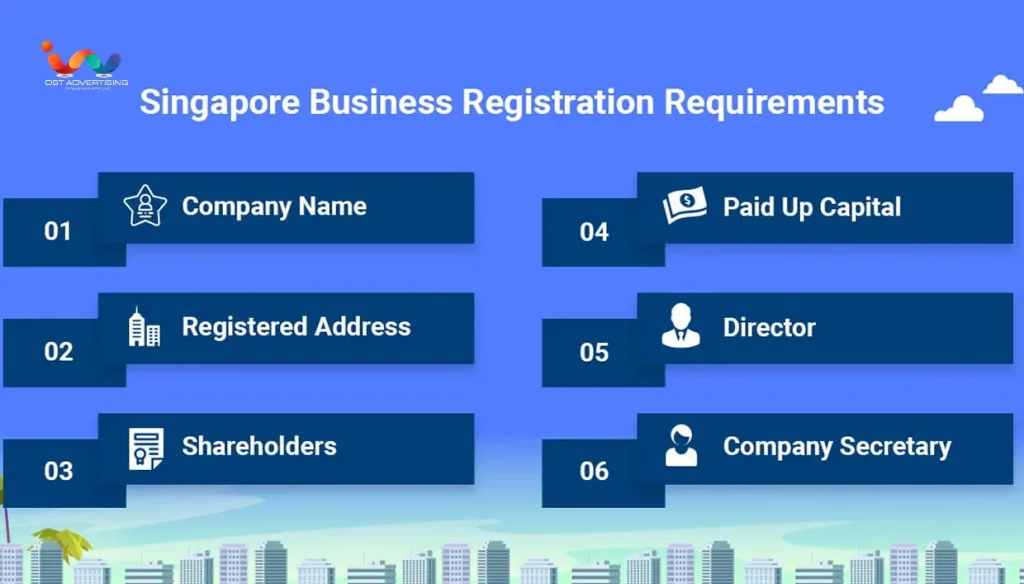
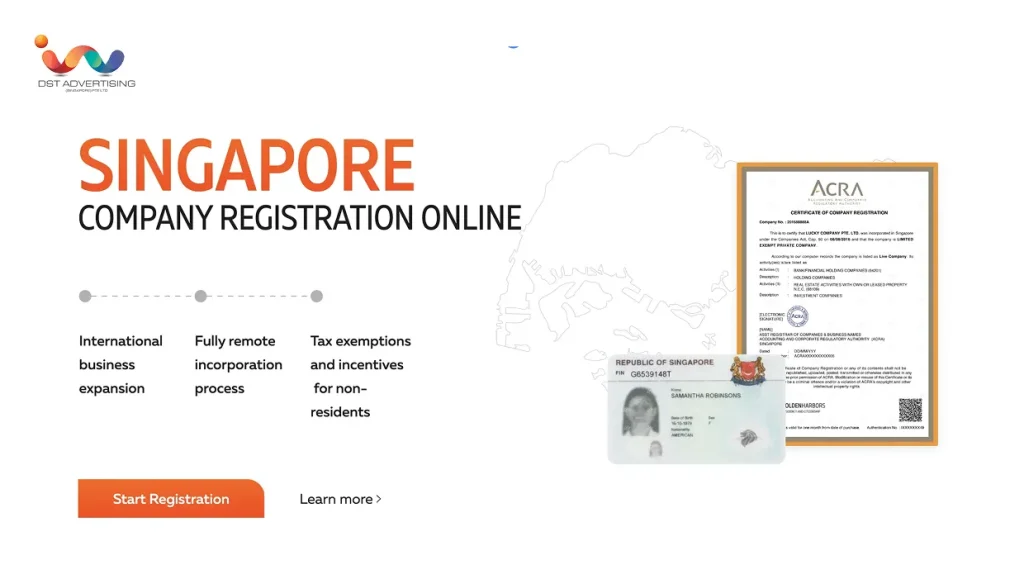
How to Register a Business in Singapore: A Step-by-Step Guide Using GoBusiness and Bizfile

Starting a business in Singapore involves more than choosing a business idea and opening a bank account. Before you begin operating, you may need to register your business with the Accounting and Corporate Regulatory Authority (ACRA) and obtain any licences or approvals required for your activities.

For entrepreneurs researching how to register a business in Singapore, the GoBusiness Portal is a useful starting point for government business services, licences and regulatory information. However, the actual registration of a business entity is completed through ACRA’s Bizfile portal.

This guide explains the Singapore business registration process, including how to choose a business structure, reserve a business name, register through Bizfile, understand the costs, and identify the steps required after registration.

Business Technology, Digital Transformation, Singapore SMEs

Digital Transformation for SMEs in Singapore: A Practical Step-by-Step Guide

Digital transformation is no longer limited to large enterprises with extensive IT teams and technology budgets. For small and medium-sized enterprises (SMEs) in Singapore, digital tools can help improve productivity, automate repetitive work, strengthen customer experiences, and create more efficient business processes.

However, digital transformation is not simply about purchasing new software.

A successful digital transformation strategy starts by identifying business problems, understanding existing processes, selecting the right technology, and helping employees adopt new ways of working.

Singapore has also developed several initiatives to help businesses with digitalisation. IMDA’s SMEs Go Digital programme provides digitalisation resources, Industry Digital Plans, digital solutions, and advisory support for SMEs.

So, how can a small business start its digital transformation journey?

This step-by-step guide explains how Singapore SMEs can approach digital transformation in a practical and manageable way.

Business Technology, ERP Software, Singapore SMEs

Custom ERP vs Off-the-Shelf ERP: Which Is Better for Singapore Businesses?

Choosing the right Enterprise Resource Planning (ERP) system can significantly affect how efficiently a business manages its finances, inventory, sales, operations, customer data, and reporting. For Singapore businesses, the decision often comes down to two options: custom ERP software or an off-the-shelf ERP system.
An off-the-shelf ERP provides pre-built features that can be configured for common business processes, while a custom ERP is developed around the specific workflows, requirements, and integrations of a business.
So, which option is better for Singapore businesses?
The answer depends on factors such as business size, operational complexity, budget, existing systems, scalability requirements, and how closely standard ERP features match the company’s workflows.
This guide compares custom ERP vs. off-the-shelf ERP to help Singapore businesses understand the differences and make an informed decision.

Artificial Intelligence, Customer Support, Singapore SMEs

How AI Chatbots Can Reduce Customer Support Costs for Singapore SMEs

Customer support is essential for every business, but it can also become a significant operating expense. For Singapore SMEs, handling customer enquiries across websites, WhatsApp, social media, email, and other channels can require employees to spend hours answering repetitive questions.
This is where AI chatbots for customer support can make a measurable difference.

Modern AI chatbots can answer frequently asked questions, provide product information, track orders, collect customer details, handle basic troubleshooting, and escalate complex cases to human agents. Instead of replacing customer service teams entirely, they can automate repetitive interactions and allow employees to focus on higher-value conversations.

The opportunity is becoming increasingly relevant for Singapore SMEs. According to IMDA’s Singapore Digital Economy Report 2025, 14.5% of Singapore SMEs adopted AI in 2024, up from 4.2% in 2023. AI adoption was also particularly common in functions such as IT, customer service, and finance and accounting.

So, how exactly can an AI chatbot reduce customer support costs for a Singapore SME?

Let’s explore the main ways.

Career & Internships, Singapore Business, Technology Solutions

What Life Inside a GovTech Internship Is Like

An internship can be an important step for students and young professionals who want to understand what working in technology is actually like. For those interested in public-sector technology, a GovTech Singapore internship offers an opportunity to see how software, data, artificial intelligence, cybersecurity and digital services are used to solve problems that affect millions of people.

The Government Technology Agency of Singapore, commonly known as GovTech Singapore, works with public agencies to build technology and digital services for citizens, businesses and government officers.

An internship in this environment can be different from working on a typical commercial technology product. Instead of focusing primarily on customers, revenue or market share, teams may work on problems involving public services, accessibility, security, data protection and government operations.

So, what is life inside a GovTech internship actually like?

From collaborating with experienced professionals and working on real technology projects to learning how government digital services are designed and delivered, an internship can provide exposure to many different aspects of technology.

Software Development, Technology & Innovation, Web Development

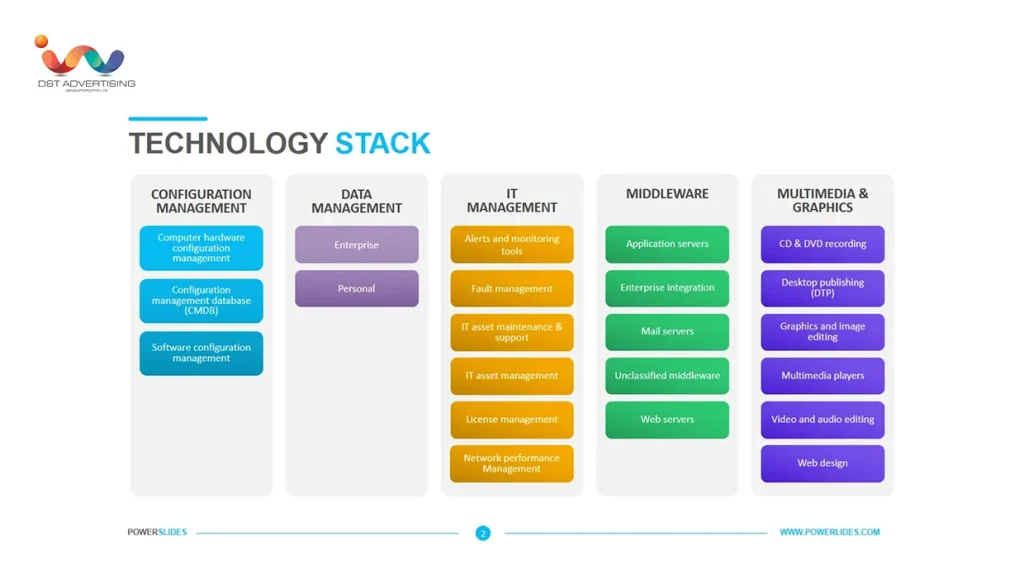
What Is a Tech Stack? Guide, Examples & How It Powers Digital Services

Every website, mobile application, SaaS platform, and digital service relies on a collection of technologies working together behind the scenes. These technologies determine how a product looks, how users interact with it, how information is processed, and how securely and efficiently the system operates.

This combination of programming languages, frameworks, databases, servers, APIs, development tools, and other technologies is known as a tech stack or technology stack.

A well-designed tech stack can help businesses build reliable digital services, scale their platforms, improve performance, and introduce new features more efficiently. The wrong combination of technologies, on the other hand, can create performance problems, security risks, development bottlenecks, and higher maintenance costs.

In this guide, we’ll explain what a tech stack is, how it works, the main components of a technology stack, popular tech stack examples, and how businesses can choose the right stack for their digital products.

E-Commerce Solutions, Singapore Business, Web Development

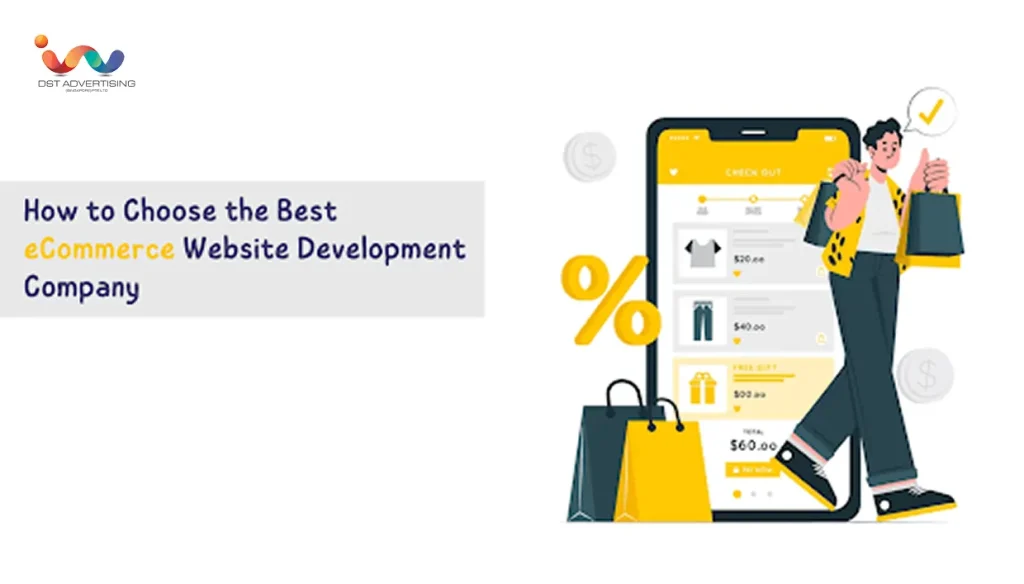
How to Choose an E-Commerce Website Development Company in Singapore

Choosing an e-commerce website development company in Singapore is an important decision for any business planning to sell online. Your development partner can influence everything from website performance and user experience to payment processing, SEO, security, integrations, scalability, and ongoing maintenance.

A successful e-commerce website needs to do more than look attractive. It should help customers discover products, compare options, complete secure payments, track orders, and return to your business across desktop and mobile devices.

For Singapore SMEs, digitalisation is also becoming an important part of business growth. IMDA’s digitalisation initiatives provide resources and guidance for businesses adopting digital solutions.

So, how do you choose an e-commerce web development company in Singapore?

Here are the key factors to evaluate before signing a contract.