DST ADVERTISING (SINGAPORE) PTE LTD

Why SMEs Need to Digitalize Their Processes in 2026

In 2026, small and medium-sized enterprises (SMEs) face increasing pressure to operate faster, smarter, and more efficiently. Rising costs, growing competition, and changing customer expectations mean that traditional manual workflows are no longer sustainable. Digitalising business processes is no longer optional; it’s a necessity for survival and growth. In today’s fast moving world, customers expect fast service, automation, online accessibility, and smooth digital experiences. As a result, more companies are adopting digitisation in business to improve efficiency, reduce costs, and scale faster. This guide explains what digitisation actually is, why it matters, and how it transforms daily operations.

What Does Digitalising Business Processes Mean?

Digitalisation refers to using digital tools and technology to replace or optimise manual, paper based, or disconnected processes. This includes automating operations, centralising data, and improving communication across departments.
Examples of digitalised processes include:


  • CRM systems for managing leads and customers
  • ERP software for finance, inventory, and operations
  • Automated invoicing and reporting
  • Digital workflows for approvals and task management

For SMEs, digital transformation doesn’t mean complex systems; it means simplifying daily operations using the right technology.

Why Digital Transformation Is Critical for SMEs in 2026

1. Improved Operational Efficiency

Manual processes slow down teams and increase errors. Digital tools automate repetitive tasks, reduce human mistakes, and allow teams to focus on higher-value work. This leads to faster operations and better productivity across the organisation.

2. Cost Reduction and Better Resource Management

Digitalising processes helps SMEs reduce operational costs by eliminating paperwork, minimising rework, and improving inventory and cash flow tracking. With real time data, businesses can make smarter financial decisions and avoid unnecessary expenses.

3. Better Customer Experience

Modern customers expect fast responses, accurate information, and seamless communication. Digital systems like CRMs and automated support tools help SMEs manage customer interactions efficiently, resulting in improved satisfaction and retention.

4. Data-Driven Decision Making

Digital tools provide clear insights through dashboards and reports. SMEs can track performance, sales trends, and operational bottlenecks in real time. This data-driven approach helps businesses adapt quickly and stay competitive.

5. Scalability and Business Growth

As SMEs grow, manual processes become unmanageable. Digitalised operations allow businesses to scale without chaos. Whether adding new customers, locations, or services, digital systems grow alongside the business.

Key Processes SMEs Should Digitalise First

To get the best ROI, SMEs should prioritise:


  • Sales and lead management (CRM systems)
  • Accounting and invoicing
  • Inventory and supply chain management
  • HR and payroll processes
  • Customer support and communication

Starting with these areas delivers immediate efficiency gains and measurable business impact.

Digitalisation and Competitive Advantage in 2026

In 2026, SMEs that fail to adopt digital processes risk falling behind competitors who operate faster and smarter. Digital transformation enables businesses to respond to market changes quickly, improve internal collaboration, and deliver better value to customers.


Governments and funding programmes in many regions also support SME digitalisation, making this the perfect time to invest in technology driven operations.

How DST Advertising Supports SME Digital Transformation

Digitalising business processes can be challenging for SMEs, especially when it comes to selecting the right tools, aligning technology with business goals, and ensuring smooth implementation. DST Advertising helps SMEs navigate this transformation by providing strategic guidance and practical digital solutions tailored to their specific needs.

With a deep understanding of SME challenges, DST Advertising works with businesses to identify inefficiencies in their current processes and recommend digital solutions that improve operations, reduce costs, and enhance productivity. Whether it’s implementing CRM systems, automating workflows, improving data management, or strengthening digital communication channels, DST Advertising ensures technology delivers measurable business results.

Beyond implementation, DST Advertising focuses on helping SMEs leverage data for smarter decision-making and improved customer experiences. By integrating analytics, automation, and performance tracking, businesses gain clearer insights into their operations and customer behaviour.

Most importantly, DST Advertising builds scalable digital frameworks that grow alongside SMEs. As businesses expand, their digital systems remain efficient, flexible, and future-ready supporting long-term growth in an increasingly competitive digital landscape.

By partnering with DST Advertising, SMEs can confidently transition from manual processes to streamlined digital operations, positioning themselves for success in 2026 and beyond.

Final Thoughts

Digitalising business processes in 2026 is not about adopting technology for the sake of it; it’s about working smarter, reducing inefficiencies, and building a future ready business. SMEs that embrace digital transformation today will be more resilient, competitive, and profitable tomorrow.

Latest Post

Our Blog Stories

Businesses of every size are transforming the way they connect with customers through AiChat. From instant support to intelligent sales funnels here’s how our clients describe their success.

AI Chatbot

AI Chatbot for E-commerce: How to Automate Orders, FAQs and Product Recommendations

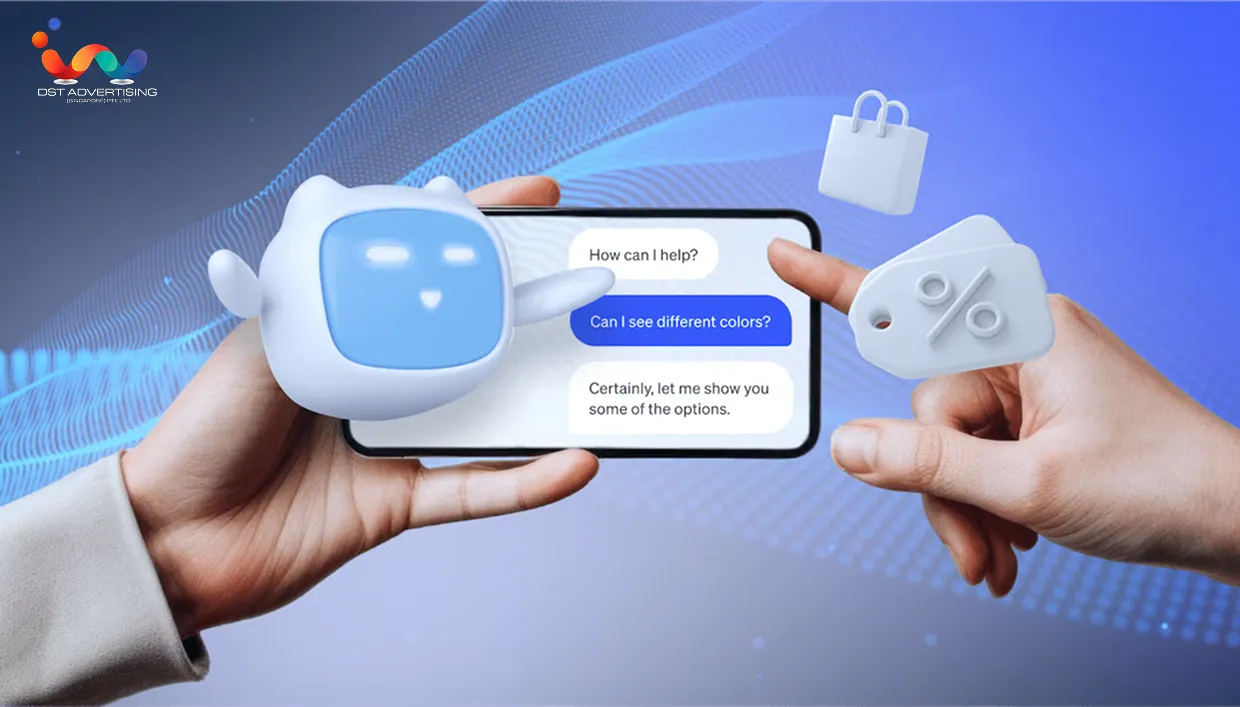
Online shoppers expect fast answers, convenient support, and personalized shopping experiences. However, managing a growing number of customer questions about products, orders, shipping, returns, and availability can place significant pressure on an e-commerce team.

An AI chatbot for e-commerce can help automate many of these interactions. By using artificial intelligence to understand customer questions and provide relevant responses, businesses can offer faster support while reducing repetitive manual work.

From answering frequently asked questions to helping customers track orders and discover suitable products, AI chatbots can support multiple stages of the online shopping journey.

This guide explains how an AI chatbot can automate orders, FAQs, and product recommendations and how e-commerce businesses can use the technology effectively.

AI Solutions Singapore

PSG Grant for AI Solutions in Singapore: A Guide for SMEs

Artificial intelligence is becoming increasingly accessible to small and medium-sized enterprises (SMEs) in Singapore. From AI-powered customer service and marketing tools to automation, analytics, document processing, and sales solutions, businesses can now adopt technologies that were once available mainly to larger organisations.
One important source of support is the Productivity Solutions Grant (PSG). The grant helps eligible Singapore businesses adopt pre-approved IT solutions and equipment that improve productivity and automate business processes. As Singapore expands support for digital and AI-enabled solutions, SMEs may find more opportunities to adopt AI tools with government support.

This guide explains how the PSG works, who may be eligible, how AI solutions fit into the programme, and what SMEs should consider before applying.

Customer Support Automation

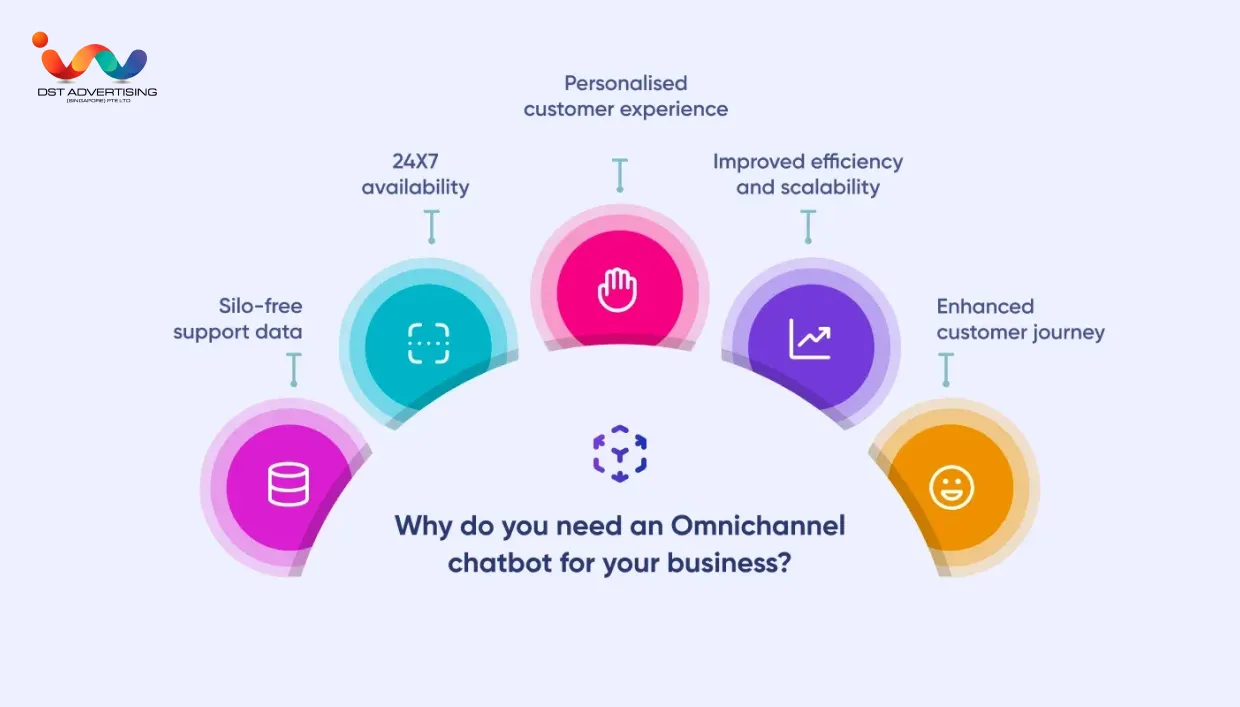
What Is an Omnichannel AI Chatbot? Benefits for Modern Businesses

Modern customers expect quick, convenient, and consistent communication with businesses. Whether they contact a company through a website, Facebook Messenger, WhatsApp, Instagram, or another digital channel, they want fast answers without having to repeat themselves.
This is where an omnichannel AI chatbot can make a major difference.

Unlike a traditional chatbot that operates on only one platform, an omnichannel AI chatbot can provide automated and connected customer support across multiple communication channels. It helps businesses deliver a smoother customer experience, improve response times, reduce support workloads, and stay available around the clock.

In this article, we will explain what an omnichannel AI chatbot is, how it works, and the key benefits it offers modern businesses.

Ready To Transform Your Business Today?

Book your free demo with DST Advertising Singapore.