DST ADVERTISING (SINGAPORE) PTE LTD

How Do AI Chatbots Work? A Deep Dive into Smart Conversations

Introduction

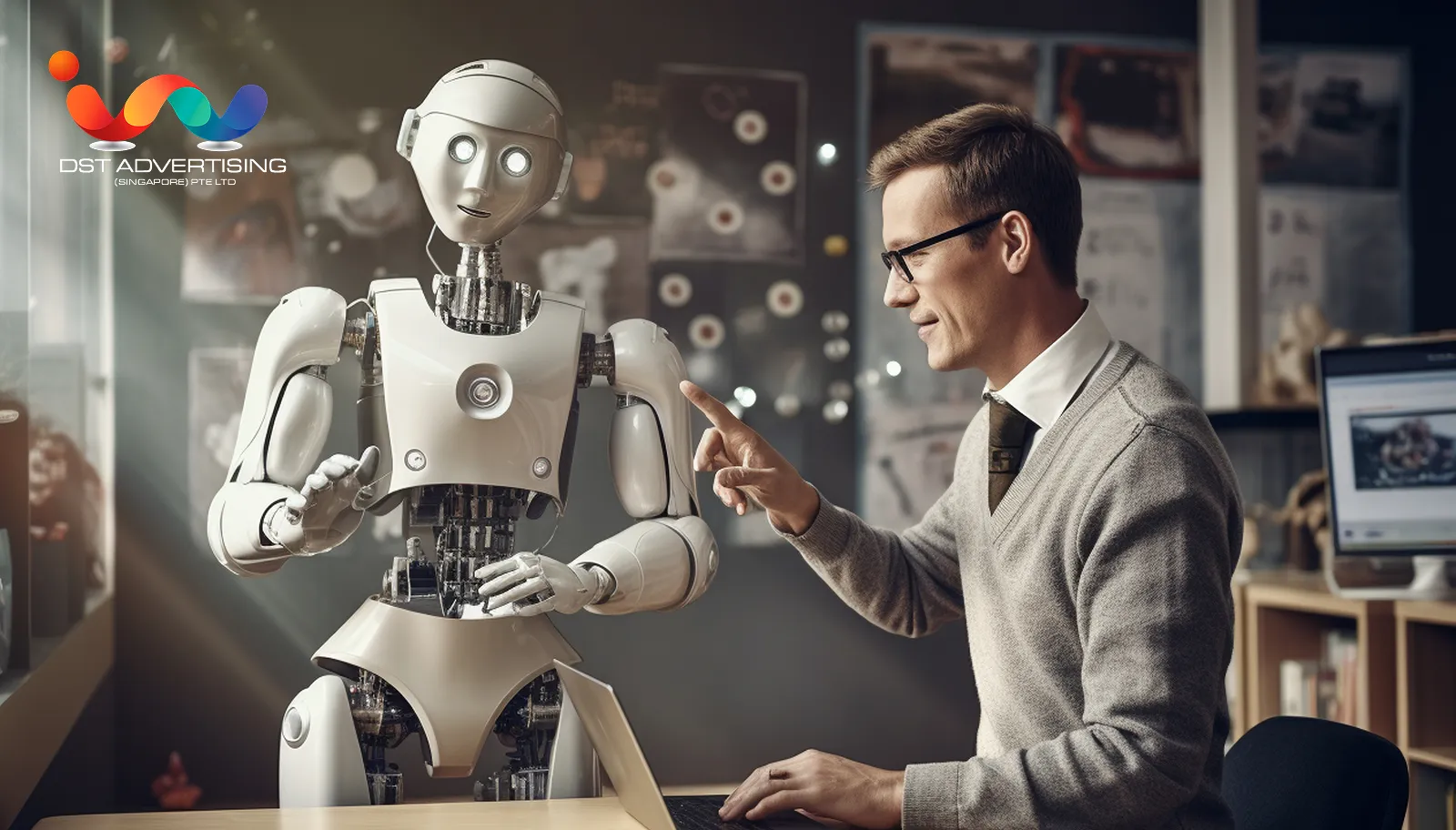
Artificial Intelligence (AI) has transformed how businesses communicate with their customers. From 24/7 instant replies to personalized recommendations, AI chatbots have become an essential part of modern customer engagement. But how do AI chatbots work, and what makes them so effective in automating real-time conversations? Let’s explore the world of AI and chatbots, the AI techniques used in chatbots, and the growing impact of AI-powered boosts in digital communication.

1. What Are AI Chatbots ?

AI chatbots are software applications powered by artificial intelligence designed to simulate human-like conversations through text or voice. Unlike traditional rule-based bots that follow pre-set scripts, AI in chatbots allows them to understand intent, context, and emotion giving customers a more natural and interactive experience.


At their core, AI chatbots use a blend of machine learning (ML), natural language processing (NLP), and sometimes neural networks to process messages, analyze patterns, and deliver accurate responses.

2. How Do AI Chatbots Work?

The process behind every smart chatbot involves several key stages:

Step 1: Input Understanding

When a user sends a message, the chatbot uses Natural Language Processing (NLP) to interpret what the user is saying breaking down the message into words, intent, and context.
Example: When a user types, “I want to book a service,” the AI identifies “book” as the intent and “service” as the subject.

Step 2: Data Processing & Intent Recognition

Next, the chatbot applies machine learning algorithms to match the query with stored data or previously learned patterns. This helps it decide the most accurate response.

Step 3: Response Generation

Once the intent is recognized, the chatbot uses Natural Language Generation (NLG) to form a human-like reply  making the conversation feel more personal and engaging.

Step 4: Continuous Learning

Every conversation helps improve accuracy. AI chatbots learn from user interactions over time, meaning they get smarter and more intuitive with each chat.

3. AI Techniques Used in Chatbots

The magic behind AI and chatbots comes from the techniques that make them more human and efficient. Some of the most powerful AI techniques used in chatbots include:


  • Machine Learning (ML): Helps chatbots recognize patterns and improve responses through data analysis.
  • Natural Language Processing (NLP): Enables understanding of user input, context, and sentiment.
  • Neural Networks: Mimic human brain behavior for complex problem-solving and personalization.
  • Reinforcement Learning: Allows the chatbot to learn from successes and mistakes, improving over time.
  • Sentiment Analysis: Detects the tone or emotion behind messages to respond appropriately.

4. The Power of AI-Powered Boost

So, what is AI-powered boost?
An AI-powered boost refers to the enhanced efficiency and intelligence that AI adds to chatbot systems helping them process more data, generate more relevant responses, and handle multiple customer interactions simultaneously.

In platforms like 4uDST.AI, this boost can:


  • Improve lead conversion rates
  • Deliver faster responses on WhatsApp, Instagram, Facebook, and Telegram
  • Personalize interactions in multiple languages
  • Integrate seamlessly with CRM systems for real-time insights

Essentially, AI-powered boost turns your chatbot into a smart digital assistant that never sleeps.

5. Why Businesses Choose AI Chatbots

Modern businesses, especially SMEs and eCommerce brands, adopt AI in chatbots to achieve:


  • 24/7 customer support
  • Reduced workload for human agents
  • Better customer satisfaction and engagement
  • Increased sales through intelligent upselling and follow-ups

And with government-supported solutions like the Productivity Solutions Grant (PSG) in Singapore, adopting AI chatbots like 4uDST.AI is now more affordable than ever.

Conclusion

AI chatbots are more than just digital assistants they’re powerful, data-driven tools that redefine how businesses connect with customers. By combining AI techniques, machine learning, and automation, chatbots deliver instant, meaningful, and scalable communication.


If you’re ready to explore how 4uDST.AI can bring an AI-powered boost to your customer service, lead generation, and engagement strategy, contact DST Advertising today and take the next step in digital transformation.

Latest Post

Our Blog Stories

Businesses of every size are transforming the way they connect with customers through AiChat. From instant support to intelligent sales funnels here’s how our clients describe their success.

Artificial Intelligence

Smart Nation 2.0: Initiatives in Singapore

Singapore has spent more than a decade building a digitally connected economy and society. From digital government services and cashless payments to artificial intelligence, smart-city technologies and digital identity, technology has become an important part of everyday life in Singapore.

In 2024, Singapore introduced Smart Nation 2.0, a refreshed version of its national digital strategy. The initiative builds on the foundations of the original Smart Nation programme launched in 2014 while responding to major changes in technology, particularly the rise of generative AI, digital platforms, cybersecurity threats and increasingly connected services.

Smart Nation 2.0 is built around three goals: Trust, Growth and Community. Rather than focusing only on getting people and businesses to adopt technology, the new strategy places greater emphasis on using technology effectively while making Singapore’s digital environment safe, inclusive and beneficial to society.

For businesses, Smart Nation 2.0 creates opportunities around AI, cloud computing, automation, cybersecurity, data analytics and digital transformation. For citizens, it aims to make digital services more accessible, secure and useful.

AI & Automation

Tech for Good: How Technology Is Transforming Social Services in Singapore

Technology is changing more than the way businesses operate. In Singapore, it is also transforming how social services are delivered to seniors, families, vulnerable communities, and people who need additional support.
From digital case-management platforms and data sharing to artificial intelligence, automation, and connected devices, technology is helping social service agencies (SSAs) improve coordination, reduce administrative work, and provide more accessible support.

Singapore’s approach increasingly focuses on using technology not simply to digitise existing processes, but to create more user-centric, data-driven, efficient, and connected social services.

The National Council of Social Service (NCSS) now guides the sector through its Social Service Sector Digital Strategy and Social Services Digitalisation Playbook, which encourage agencies to strengthen digital capabilities, data governance, cybersecurity, and technology adoption.

Digital Economy

How Singapore Has Become a Leading Tech Hub in Asia

Singapore is widely recognised as one of Asia’s leading technology and innovation hubs. Despite its small geographical size, the city-state has built a technology ecosystem that attracts global companies, startups, investors, researchers, and highly skilled professionals.

From artificial intelligence and fintech to cloud computing, cybersecurity, biotechnology, and smart-city technologies, Singapore has positioned digital innovation as an important part of its economic strategy.

The country’s digital economy reached S$128.1 billion in 2024, equivalent to 18.6% of Singapore’s GDP, up from 14.9% in 2019. The digital economy has also expanded beyond the technology sector, with industries such as finance, wholesale trade, and manufacturing increasingly contributing to digital growth.

But how did Singapore become such an important technology hub in Asia?

Ready To Transform Your Business Today?

Book your free demo with DST Advertising Singapore.