DST ADVERTISING (SINGAPORE) PTE LTD

Traditional ERP vs AI-Driven ERP: Why DST ERP Stands Out

Enterprise Resource Planning (ERP) systems have long been the backbone of business operations. However, as data volumes grow and market conditions change faster than ever, traditional ERP systems are struggling to keep up. This has led to the rise of AI-driven ERP solutions, which go beyond record keeping to deliver intelligence, automation, and predictive insights. In this comparison of Traditional ERP vs AI Driven ERP, we explore the key differences and explain why DST ERP stands out as a future ready, intelligent ERP platform.

What Is a Traditional ERP System?

A traditional ERP system focuses on centralizing business processes such as:


  • Finance and accounting
  • Inventory management
  • Human resources
  • Procurement and sales

While these systems are effective at storing and organizing data, they are largely rule based and depend heavily on manual input and reporting.


Limitations of Traditional ERP


Despite their widespread use, traditional ERP solutions face several challenges:


  • Limited automation
  • Static reporting and dashboards
  • Manual data analysis
  • Slow decision making
  • High dependency on IT teams

As businesses scale, these limitations can reduce efficiency and delay strategic decisions.

What Is an AI Driven ERP System?

An AI driven ERP integrates artificial intelligence, machine learning, and advanced analytics directly into core ERP functions. Instead of just managing data, it actively analyzes, predicts, and recommends actions.


DST ERP is a powerful example of an AI powered ERP system built to support modern, data driven enterprises.

Key Differences: Traditional ERP vs AI Driven ERP

1. Automation vs Manual Processes


Traditional ERP relies on predefined workflows and manual approvals. In contrast, AI driven ERP systems like DST ERP automate:


  • Repetitive tasks
  • Data validation
  • Report generation
  • Workflow optimization

This leads to faster operations and improved employee productivity.

2. Static Reports vs Predictive Analytics


Traditional ERP systems generate historical reports that require manual interpretation. AI driven ERP platforms provide:


  • Real-time analytics
  • Predictive forecasting
  • Trend analysis
  • Risk detection

DST ERP uses AI-driven analytics to help leaders anticipate outcomes rather than react to problems.

3.Data Entry vs Intelligent Assistance

In traditional ERP, users must navigate multiple modules to retrieve information. DST ERP includes an AI Assistant that allows users to:


  • Access insights instantly
  • Ask questions in natural language
  • Receive smart recommendations

This reduces training time and improves system adoption across teams.

4. Reactive vs Proactive Decision Making

Traditional ERP supports reactive decision making based on past data. AI driven ERP enables proactive decision making by:


  • Identifying patterns
  • Predicting demand
  • Highlighting anomalies
  • Suggesting corrective actions

DST ERP empowers businesses to make informed decisions with confidence and speed.

Why DST ERP Stands Out Among AI Driven ERP Solutions

Built In AI, Not Add Ons


Unlike many ERP vendors that offer AI as a separate module, DST ERP is AI native. Artificial intelligence is embedded across all core functions, ensuring seamless performance and scalability.

Unified, Real Time Data Across Departments


DST ERP integrates finance, operations, HR, sales, and supply chain into a single intelligent platform. Its AI engine continuously analyzes cross-departmental data, providing a single source of truth for better collaboration.

Enhanced Productivity and Cost Efficiency


By automating processes and reducing errors, DST ERP helps businesses:


  • Lower operational costs
  • Improve employee efficiency
  • Accelerate business cycles
  • Increase ROI on ERP investment

This makes DST ERP a strong choice for organizations seeking digital transformation through ERP.


Scalable and Future Ready ERP Platform


DST ERP is designed to grow with your business. Its AI driven architecture supports:


  • Business scalability
  • Advanced forecasting
  • Continuous system optimization

As AI technology evolves, DST ERP evolves with it protecting your long-term ERP investment.

Traditional ERP vs AI Driven ERP: Which Should You Choose?

If your business relies on static reports, manual workflows, and delayed insights, a traditional ERP system may limit growth. An AI driven ERP like DST ERP delivers the intelligence, speed, and automation needed to compete in today’s digital economy.

Final Thoughts

The shift from traditional ERP to AI driven ERP is no longer optional it’s essential. By combining automation, real time analytics, and intelligent decision support, DST ERP stands out as a next-generation ERP solution built for modern enterprises.


Choosing DST ERP means choosing smarter operations, faster decisions, and sustainable growth.

Latest Post

Our Blog Stories

Businesses of every size are transforming the way they connect with customers through AiChat. From instant support to intelligent sales funnels here’s how our clients describe their success.

AI Chatbot

AI Chatbot for E-commerce: How to Automate Orders, FAQs and Product Recommendations

Online shoppers expect fast answers, convenient support, and personalized shopping experiences. However, managing a growing number of customer questions about products, orders, shipping, returns, and availability can place significant pressure on an e-commerce team.
An AI chatbot for e-commerce can help automate many of these interactions. By using artificial intelligence to understand customer questions and provide relevant responses, businesses can offer faster support while reducing repetitive manual work.

From answering frequently asked questions to helping customers track orders and discover suitable products, AI chatbots can support multiple stages of the online shopping journey.

This guide explains how an AI chatbot can automate orders, FAQs, and product recommendations and how e-commerce businesses can use the technology effectively.

AI Solutions Singapore

PSG Grant for AI Solutions in Singapore: A Guide for SMEs

Artificial intelligence is becoming increasingly accessible to small and medium-sized enterprises (SMEs) in Singapore. From AI-powered customer service and marketing tools to automation, analytics, document processing, and sales solutions, businesses can now adopt technologies that were once available mainly to larger organisations.
One important source of support is the Productivity Solutions Grant (PSG). The grant helps eligible Singapore businesses adopt pre-approved IT solutions and equipment that improve productivity and automate business processes. As Singapore expands support for digital and AI-enabled solutions, SMEs may find more opportunities to adopt AI tools with government support.

This guide explains how the PSG works, who may be eligible, how AI solutions fit into the programme, and what SMEs should consider before applying.

Customer Support Automation

What Is an Omnichannel AI Chatbot? Benefits for Modern Businesses

Modern customers expect quick, convenient, and consistent communication with businesses. Whether they contact a company through a website, Facebook Messenger, WhatsApp, Instagram, or another digital channel, they want fast answers without having to repeat themselves.
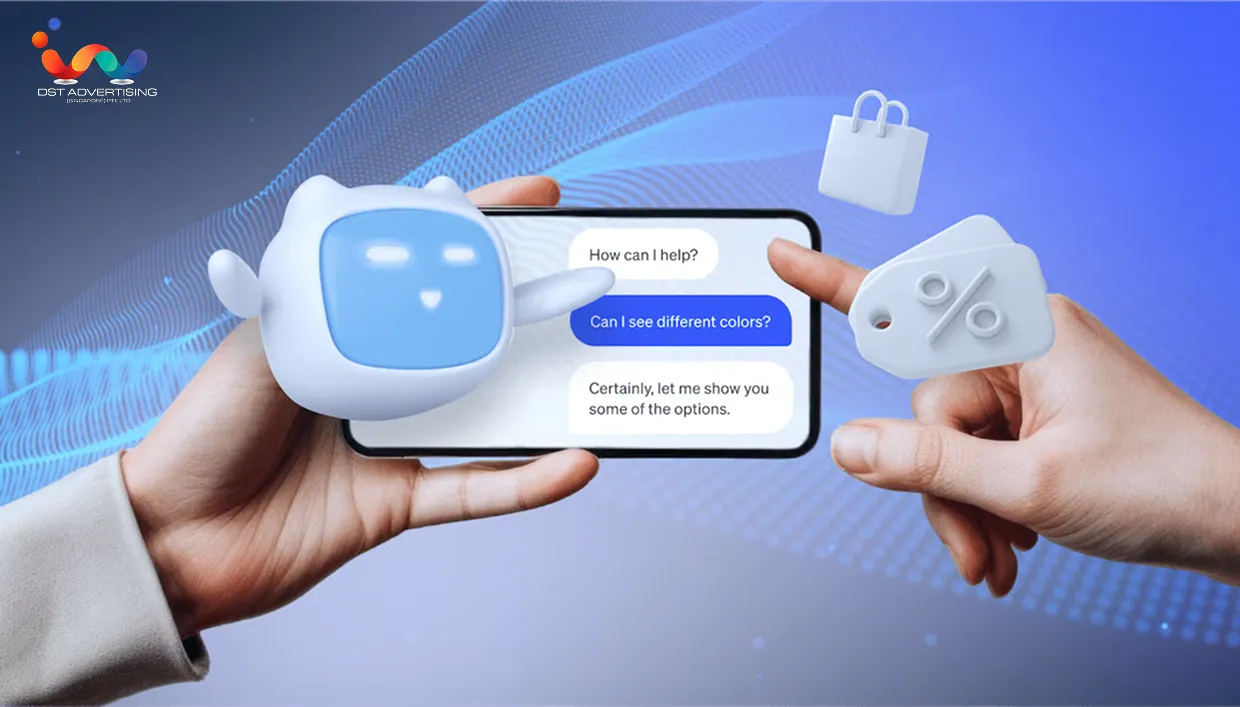
This is where an omnichannel AI chatbot can make a major difference.

Unlike a traditional chatbot that operates on only one platform, an omnichannel AI chatbot can provide automated and connected customer support across multiple communication channels. It helps businesses deliver a smoother customer experience, improve response times, reduce support workloads, and stay available around the clock.

In this article, we will explain what an omnichannel AI chatbot is, how it works, and the key benefits it offers modern businesses.

Ready To Transform Your Business Today?

Book your free demo with DST Advertising Singapore.