
AI Chatbot for E-commerce: How to Automate Orders, FAQs and Product Recommendations
Online shoppers expect fast answers, convenient support, and personalized shopping experiences. However,
DST ADVERTISING (SINGAPORE) PTE LTD

Online shoppers expect fast answers, convenient support, and personalized shopping experiences. However,

Artificial intelligence is becoming increasingly accessible to small and medium-sized enterprises (SMEs)

Modern customers expect quick, convenient, and consistent communication with businesses. Whether they
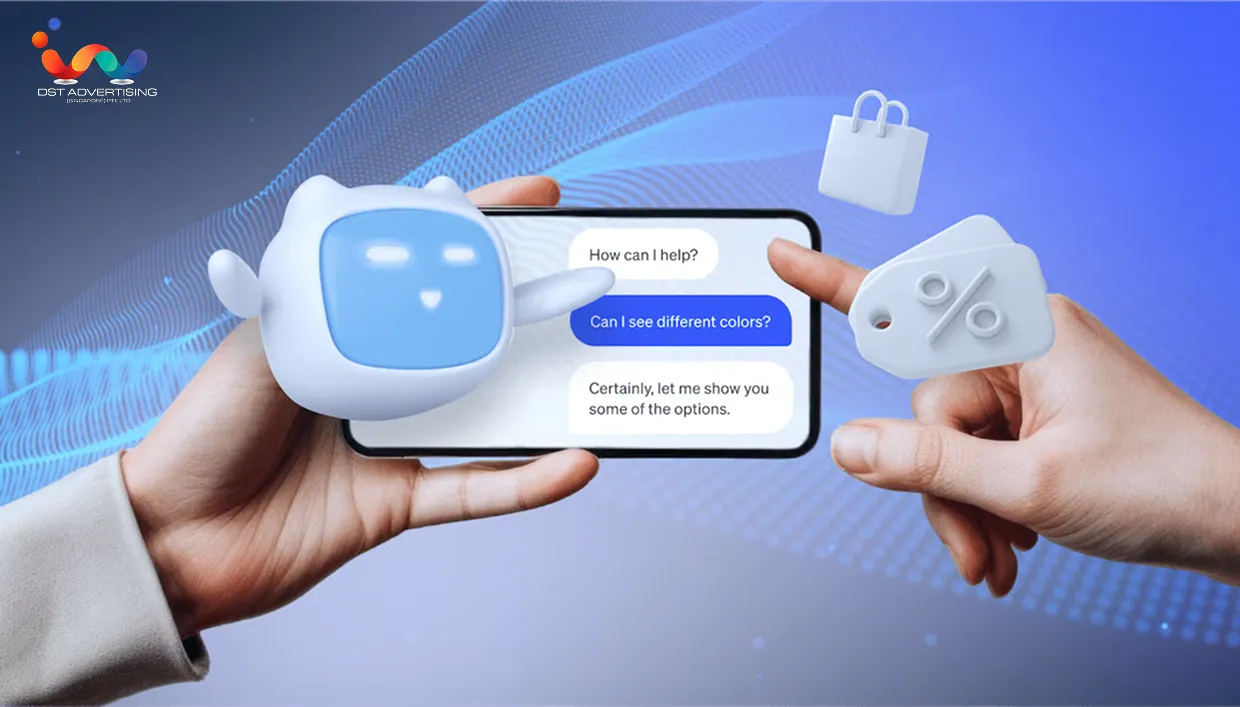
Online shoppers expect fast answers, convenient support, and personalized shopping experiences. However, managing a growing number of customer questions about products, orders, shipping, returns, and availability can place significant pressure on an e-commerce team.
An AI chatbot for e-commerce can help automate many of these interactions. By using artificial intelligence to understand customer questions and provide relevant responses, businesses can offer faster support while reducing repetitive manual work.
From answering frequently asked questions to helping customers track orders and discover suitable products, AI chatbots can support multiple stages of the online shopping journey.
This guide explains how an AI chatbot can automate orders, FAQs, and product recommendations and how e-commerce businesses can use the technology effectively.

Artificial intelligence is becoming increasingly accessible to small and medium-sized enterprises (SMEs) in Singapore. From AI-powered customer service and marketing tools to automation, analytics, document processing, and sales solutions, businesses can now adopt technologies that were once available mainly to larger organisations.
One important source of support is the Productivity Solutions Grant (PSG). The grant helps eligible Singapore businesses adopt pre-approved IT solutions and equipment that improve productivity and automate business processes. As Singapore expands support for digital and AI-enabled solutions, SMEs may find more opportunities to adopt AI tools with government support.
This guide explains how the PSG works, who may be eligible, how AI solutions fit into the programme, and what SMEs should consider before applying.
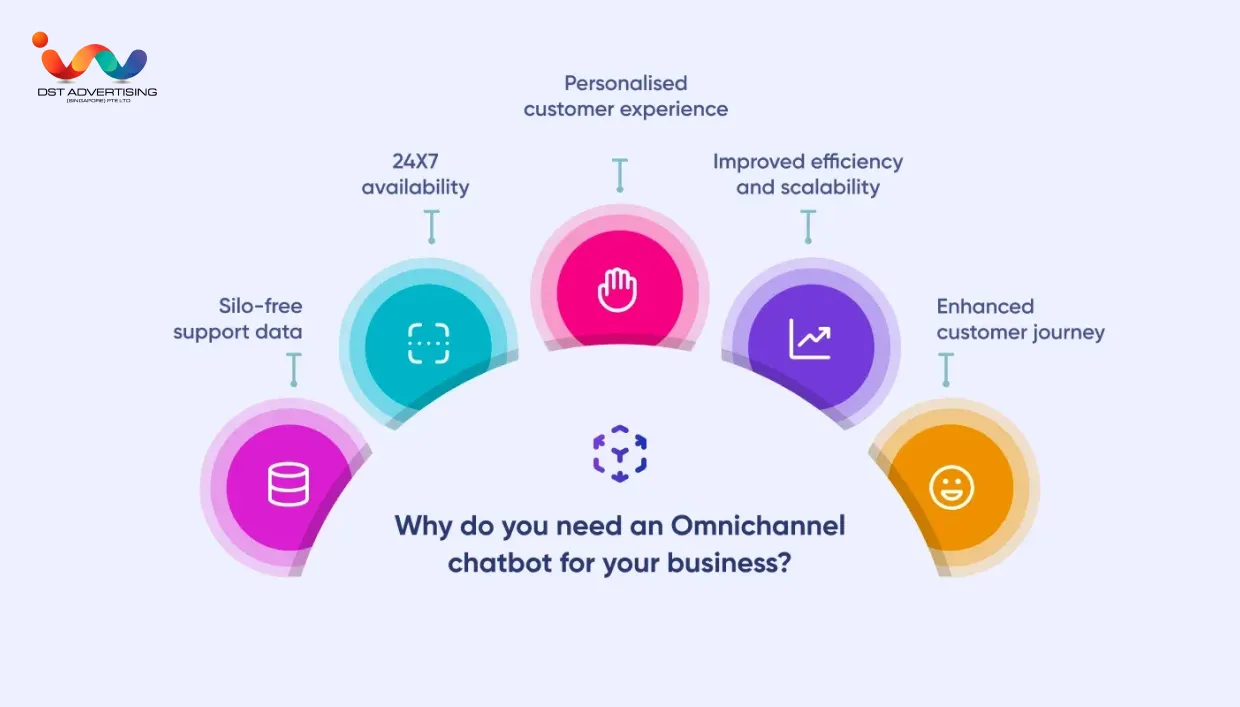
Modern customers expect quick, convenient, and consistent communication with businesses. Whether they contact a company through a website, Facebook Messenger, WhatsApp, Instagram, or another digital channel, they want fast answers without having to repeat themselves.
This is where an omnichannel AI chatbot can make a major difference.
Unlike a traditional chatbot that operates on only one platform, an omnichannel AI chatbot can provide automated and connected customer support across multiple communication channels. It helps businesses deliver a smoother customer experience, improve response times, reduce support workloads, and stay available around the clock.
In this article, we will explain what an omnichannel AI chatbot is, how it works, and the key benefits it offers modern businesses.