DST ADVERTISING (SINGAPORE) PTE LTD

Is AI Bad for the Environment?

Artificial Intelligence (AI) has revolutionized industries from predictive analytics to creative tools but as its use skyrockets, so do environmental concerns. Many are now asking: is AI bad for the environment?

The answer isn’t straightforward. AI has both negative environmental impacts and the potential to be a powerful tool for sustainability. Let’s explore both sides and how businesses in Singapore can adopt AI responsibly with help from grants like the PSG (Productivity Solutions Grant).

The Environmental Impact of AI

1. Energy Consumption and Carbon Footprint

Training and running large AI models require immense computational power, which consumes vast amounts of electricity. Data centers that power AI systems are responsible for a growing share of global electricity use and if that power comes from fossil fuels, the resulting carbon emissions can be substantial.

In short: AI’s carbon footprint depends heavily on how the electricity powering it is generated.

2. Water Usage and Cooling

AI servers and GPUs generate significant heat, requiring cooling systems that often consume large volumes of water. This can strain local water resources, especially in regions already facing water scarcity.

3. Hardware and E Waste

AI models rely on advanced hardware such as GPUs and TPUs. Manufacturing and disposing of these chips contribute to electronic waste and resource depletion. Mining for rare earth metals used in AI hardware also has environmental consequences.

4. Growth and Rebound Effects

Even as AI models become more efficient, their usage continues to expand across industries. This means that total energy and resource consumption may still rise overall  a phenomenon known as the rebound effect.

How AI Can Help the Environment

While AI’s growth poses environmental challenges, it also offers remarkable opportunities for sustainability:


  • Energy Efficiency: AI can optimize energy consumption in buildings, factories, and transport systems.
  • Smart Resource Management: Predictive analytics can reduce waste and improve recycling systems.
  • Environmental Monitoring: AI powered sensors and models help detect pollution, track deforestation, and monitor emissions.
  • Sustainable Manufacturing: Machine learning models can streamline production, lowering energy use and material waste.

When used thoughtfully, AI can help reduce environmental footprints instead of enlarging them.

Balancing AI Growth and Sustainability

The key is responsible AI adoption. Here’s what organizations should consider:


  • Choose energy efficient models and optimize workloads.
  • Use data centers powered by renewable energy when possible.
  • Implement AI governance frameworks that measure environmental as well as ethical impact.
  • Monitor the carbon and water footprint of AI systems over time.

AI isn’t inherently “bad” for the environment it’s how we train, deploy, and scale it that matters.

Singapore’s Opportunity: PSG Grant for AI Adoption

For businesses in Singapore, the Productivity Solutions Grant (PSG) is a valuable support scheme that helps companies adopt AI and other digital solutions efficiently and sustainably.


The PSG can help cover costs for approved AI tools, automation, and analytics systems enabling local enterprises to boost productivity while managing resource use responsibly.


If you’re exploring AI solutions for your business, you can learn more about eligible solutions and support opportunities at:
 DST Advertising – 4U DST AI

Conclusion

So, is AI bad for the environment? Not necessarily  but it can be if deployed carelessly. The environmental impact of AI depends on how it’s managed, powered, and scaled.


By combining responsible AI practices with government support programs like the PSG grant in Singapore, businesses can embrace AI innovation without compromising sustainability.


AI, when used wisely, can become a driving force for both productivity and planet friendly progress.

Latest Post

Our Blog Stories

Businesses of every size are transforming the way they connect with customers through AiChat. From instant support to intelligent sales funnels here’s how our clients describe their success.

AI Chatbot

AI Chatbot for E-commerce: How to Automate Orders, FAQs and Product Recommendations

Online shoppers expect fast answers, convenient support, and personalized shopping experiences. However, managing a growing number of customer questions about products, orders, shipping, returns, and availability can place significant pressure on an e-commerce team.

An AI chatbot for e-commerce can help automate many of these interactions. By using artificial intelligence to understand customer questions and provide relevant responses, businesses can offer faster support while reducing repetitive manual work.

From answering frequently asked questions to helping customers track orders and discover suitable products, AI chatbots can support multiple stages of the online shopping journey.

This guide explains how an AI chatbot can automate orders, FAQs, and product recommendations and how e-commerce businesses can use the technology effectively.

AI Solutions Singapore

PSG Grant for AI Solutions in Singapore: A Guide for SMEs

Artificial intelligence is becoming increasingly accessible to small and medium-sized enterprises (SMEs) in Singapore. From AI-powered customer service and marketing tools to automation, analytics, document processing, and sales solutions, businesses can now adopt technologies that were once available mainly to larger organisations.

One important source of support is the Productivity Solutions Grant (PSG). The grant helps eligible Singapore businesses adopt pre-approved IT solutions and equipment that improve productivity and automate business processes. As Singapore expands support for digital and AI-enabled solutions, SMEs may find more opportunities to adopt AI tools with government support.

This guide explains how the PSG works, who may be eligible, how AI solutions fit into the programme, and what SMEs should consider before applying.

Customer Support Automation

What Is an Omnichannel AI Chatbot? Benefits for Modern Businesses

Modern customers expect quick, convenient, and consistent communication with businesses. Whether they contact a company through a website, Facebook Messenger, WhatsApp, Instagram, or another digital channel, they want fast answers without having to repeat themselves.
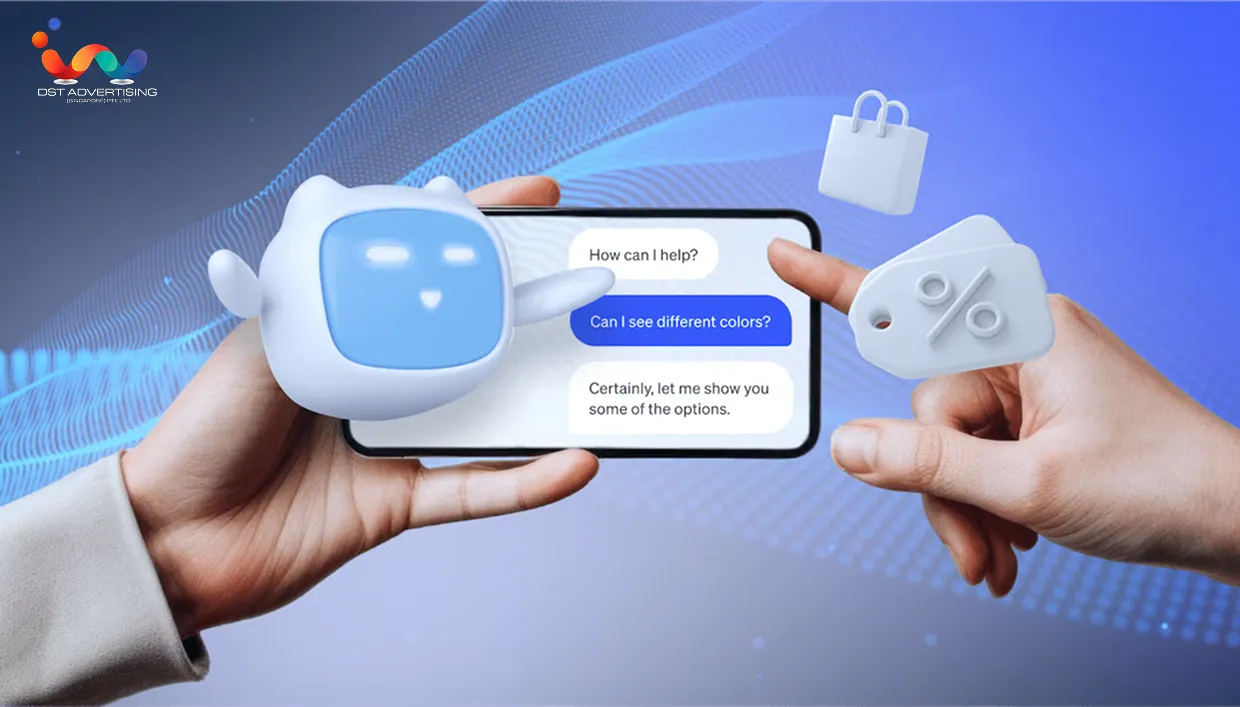
This is where an omnichannel AI chatbot can make a major difference.

Unlike a traditional chatbot that operates on only one platform, an omnichannel AI chatbot can provide automated and connected customer support across multiple communication channels. It helps businesses deliver a smoother customer experience, improve response times, reduce support workloads, and stay available around the clock.

In this article, we will explain what an omnichannel AI chatbot is, how it works, and the key benefits it offers modern businesses.

Ready To Transform Your Business Today?

Book your free demo with DST Advertising Singapore.